Scientific observation
Systematic observation and documentation of natural and social phenomena.

Sikkim Alpine University recognises field visits, surveys, biodiversity studies, community interactions and institutional visits as an important part of higher education. These activities extend learning beyond the classroom and connect theory with real-world environments, complementing teaching, laboratory work and research.
Sikkim's Himalayan setting offers rich opportunities to study biodiversity, landscapes, communities, natural resources and environmental challenges. Departments plan visits around curriculum and research needs, guiding students to observe, document, collect information, engage with local communities and experts, analyse findings and prepare academic reports.
Field experience is especially valuable in Botany, Zoology and Geography, and helps students understand connected issues such as conservation, livelihoods, resource management and disaster risk reduction.
The University's field-based learning programme seeks to:
The Himalayan environment provides a living laboratory for students. From protected forests and wildlife sanctuaries to biodiversity parks, mountain valleys, rural settlements and community-managed resources, field locations provide diverse opportunities for academic investigation.
Students can observe environmental processes in their natural settings, examine patterns of biodiversity, understand community dependence on natural resources, study rural and mountain livelihoods, and explore environmental risks such as landslides and other natural hazards.
The University's field activities consequently contribute to developing an informed understanding of Himalayan ecology, environmental sustainability, biodiversity conservation, rural development and disaster resilience.
This approach transforms educational tours into meaningful academic experiences and provides students with a foundation for undertaking independent research projects, dissertations and future professional assignments.
At Sikkim Alpine University, education extends beyond the conventional classroom to provide students with meaningful opportunities for experiential, field-based and application-oriented learning. Field visits, educational tours, biodiversity studies, community surveys and institutional interactions form an integral part of the academic learning process across various disciplines.
These activities enable students to connect theoretical concepts with real-world situations, develop field research skills, understand local communities and ecosystems, and gain first-hand exposure to the diverse geographical, biological, social and cultural environments of the Himalayan region and beyond.
The University encourages departments to organise structured field visits aligned with the prescribed curriculum, learning outcomes and research interests of students. These visits are designed not merely as educational excursions, but as academic exercises involving observation, documentation, data collection, analysis, interaction and interpretation.
Through field-based academic activities, students develop competencies in:
Systematic observation and documentation of natural and social phenomena.
Application of appropriate methods for collecting primary information and field data.
Organisation, interpretation and analysis of field observations and collected data.
Practical understanding of biodiversity, ecosystems, natural resources and environmental challenges.
Interaction with local communities and appreciation of traditional knowledge and livelihood systems.
Development of research questions, field-based inquiry and evidence-based academic interpretation.
Collaborative planning, field coordination, communication and problem-solving.
Preparation of structured field reports, observations, findings and recommendations.
Sikkim Alpine University believes that meaningful education happens both inside and outside the classroom. Field visits provide students with opportunities to observe, question, investigate and learn from real-world environments.
By integrating field experience with classroom teaching, laboratory work and academic research, the University seeks to develop students who are practical learners, responsible researchers, critical thinkers and socially and environmentally conscious professionals.
The University's field-based learning initiatives reflect its broader commitment to holistic education, research, community engagement, environmental responsibility and sustainable development.
| Academic area | Major learning focus |
|---|---|
| Botany | Plant diversity, flora documentation, biodiversity, Himalayan ecosystems and conservation |
| Zoology | Faunal diversity, wildlife habitats, ecological observation and biodiversity assessment |
| Geography | Rural livelihoods, socio-economic surveys, community participation, environment and disaster risk reduction |
| Interdisciplinary learning | Sustainability, conservation, community engagement and human–environment relationships |
| Research skills | Field observation, data collection, documentation, analysis and interpretation |
| Professional development | Teamwork, communication, field methods, problem-solving and research orientation |
Field learning is planned around each discipline's academic objectives and research requirements.
The Department of Botany provides students with extensive opportunities to study plant diversity, biodiversity conservation, natural vegetation and Himalayan ecosystems through field-based academic activities.
Students are exposed to diverse natural habitats, botanical gardens, biodiversity parks, wildlife sanctuaries and research institutions. These visits enable them to observe plants in their natural surroundings, document species, understand ecological relationships and develop practical skills in plant identification and biodiversity assessment.
Lloyd Botanical Garden and Senchal Wildlife Sanctuary, Darjeeling, West Bengal
Date: 4 March 2023 · Participants: 33 students · Classes: B.Sc. 3rd Semester and M.Sc. 1st & 3rd Semesters
Barsey Rhododendron Sanctuary and Barang Okhrey, West Sikkim
Date: 1–2 December 2023 · Participants: 15 students · Class: 1st Semester
Tendong State Biodiversity Park, Namchi, South Sikkim
Date: 8 June 2024 · Participants: 16 students · Class: 2nd Semester
G.B. Pant National Institute of Himalayan Environment and Fambonglho Wildlife Sanctuary, Panthang, East Sikkim
Date: 23 May 2025 · Participants: 11 students · Class: 2nd Semester
Tendong State Biodiversity Park, Namchi, South Sikkim
Date: 12 June 2026 · Participants: 7 students · Class: 2nd Semester
The Department of Zoology integrates field-based learning into its academic curriculum by providing students with practical exposure to faunal diversity, wildlife habitats, biodiversity assessment and ecological field methods.
The Department of Geography undertakes field studies focusing on rural livelihoods, biodiversity conservation, community participation, environmental management, disaster risk reduction, socio-economic conditions and human–environment relationships.
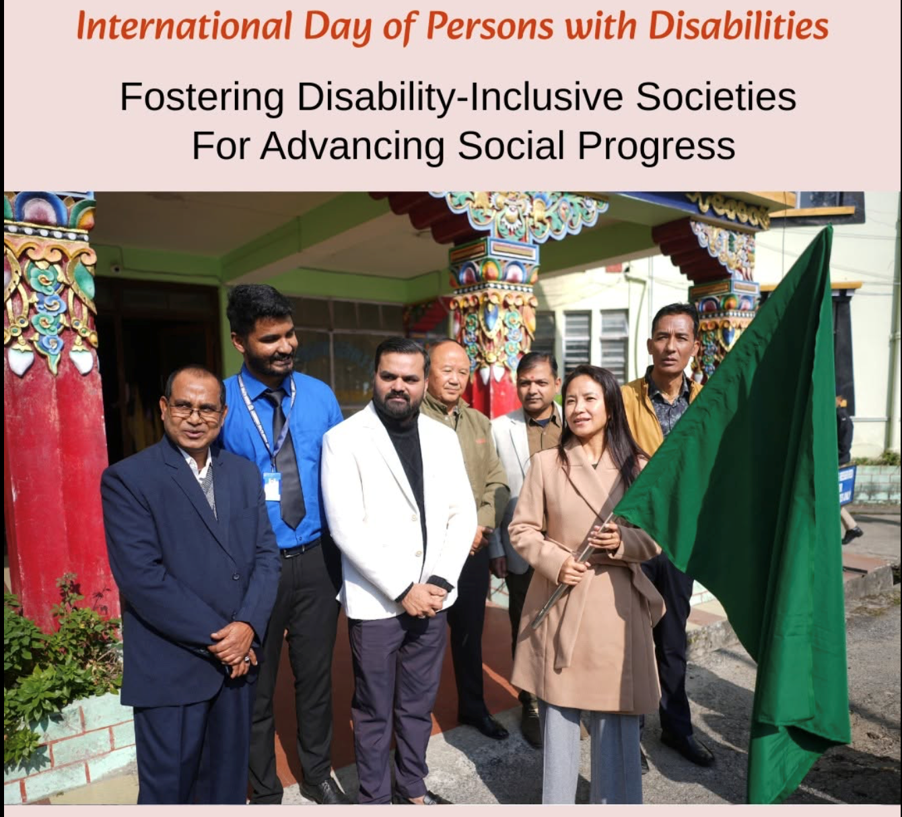
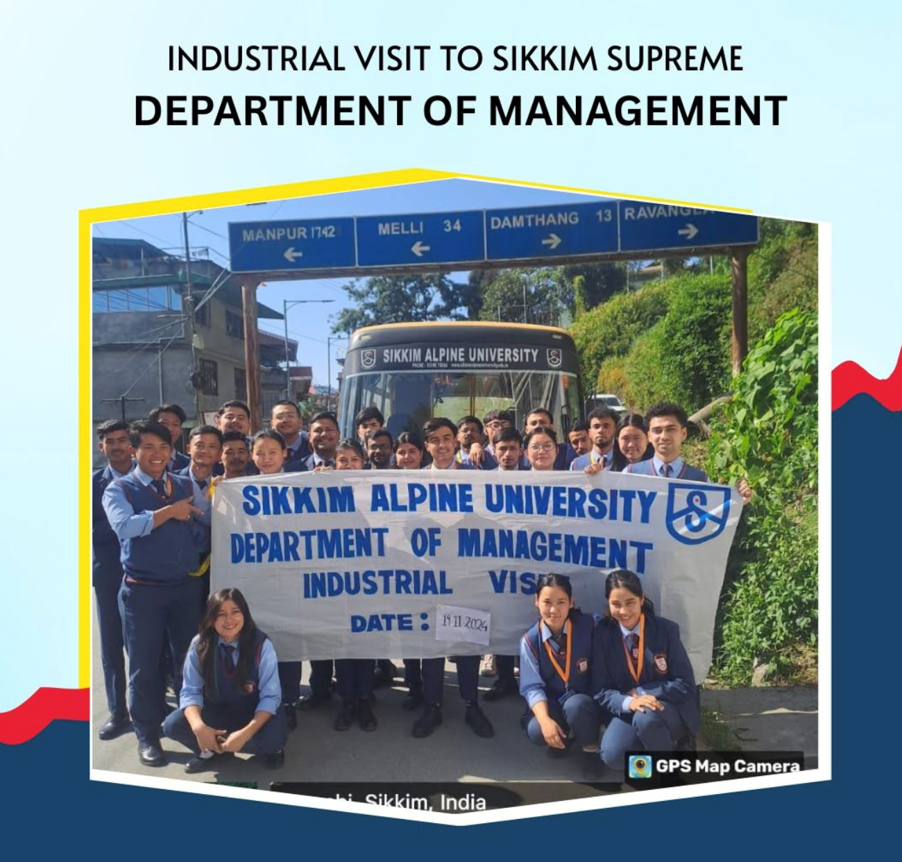
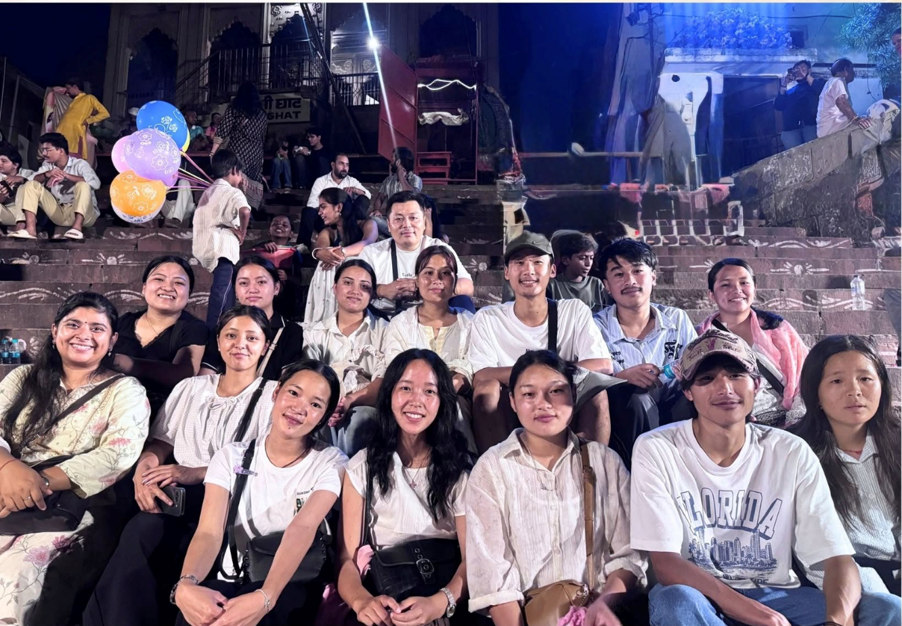
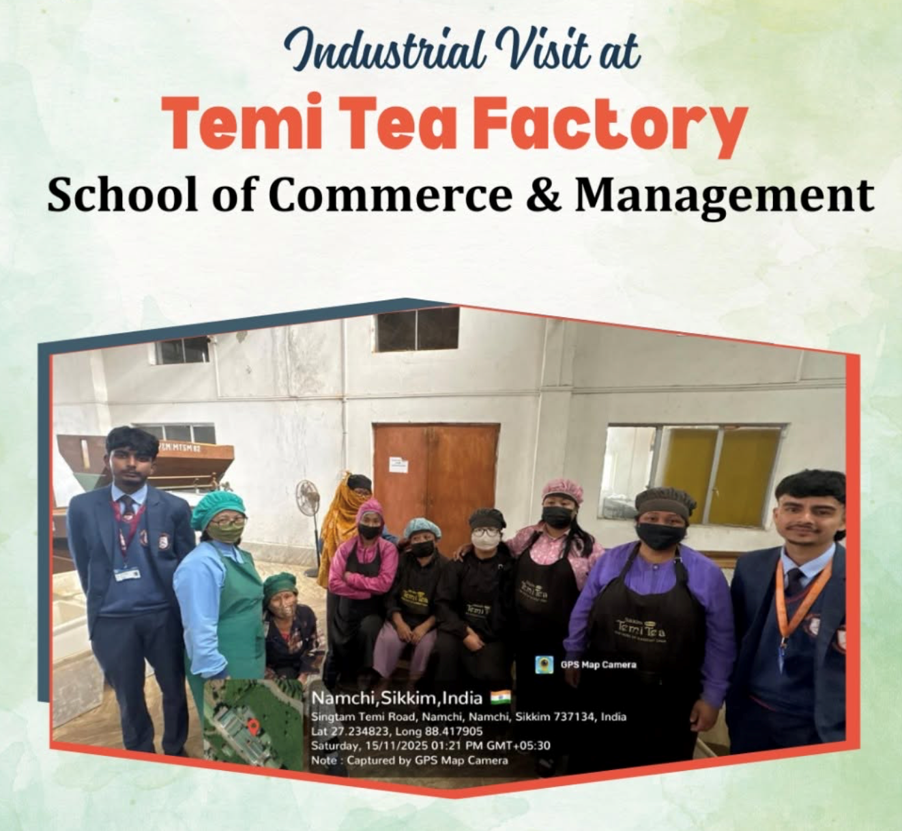
Moments from student visits, educational tours and community engagement.



Fill out the form below to start your application process